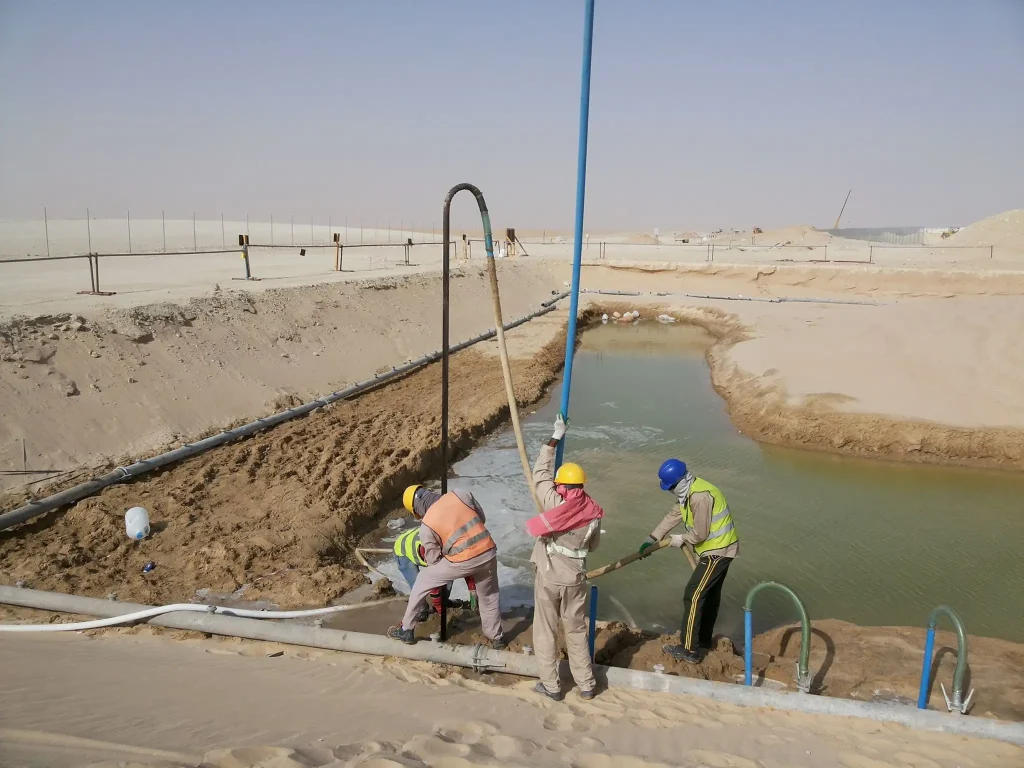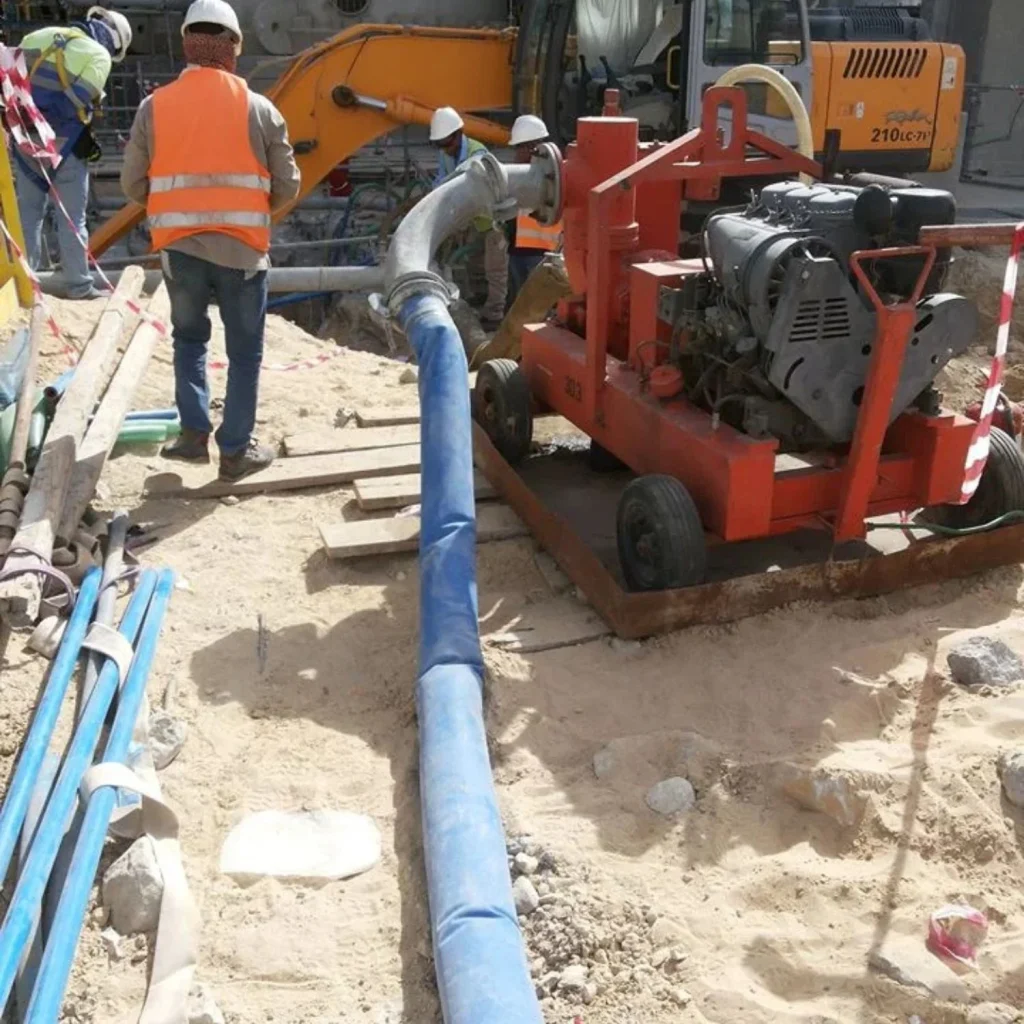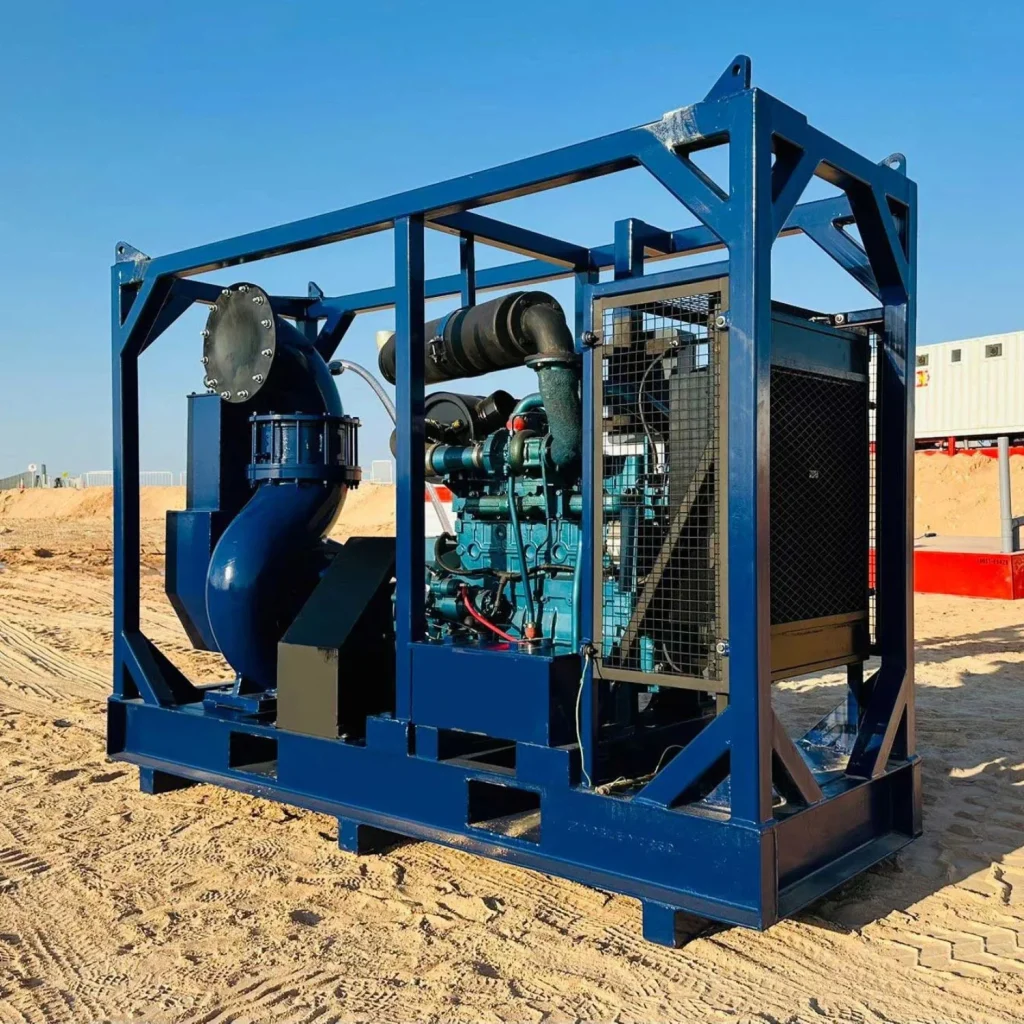

The North India monsoon has become increasingly active, bringing widespread rainfall across Delhi, Faridabad, Gurugram, Haryana, Uttar Pradesh, Mumbai, Pune, Navi Mumbai, Thane, and several parts of Maharashtra. Weather authorities have issued alerts in many regions as persistent rain continues to affect transportation, businesses, residential areas, and infrastructure. Recent rainfall has caused waterlogging, traffic congestion, and disruptions to air and rail services in some locations, reminding businesses and local authorities of the importance of effective flood preparedness and drainage systems.
For construction companies, industrial facilities, mining projects, infrastructure contractors, municipal corporations, and commercial developments, monsoon season is not just a weather event—it is an operational challenge. Water accumulation can delay projects, damage equipment, weaken foundations, interrupt production, and create significant safety risks for workers.
This is where dependable dewatering solutions become essential.
Racors Dewatering Pumps are engineered to remove large volumes of water quickly and efficiently. Whether the challenge is heavy rainfall, construction-site flooding, stormwater accumulation, basement flooding, quarry dewatering, or industrial water removal, Racors pumps deliver reliable performance when every minute matters.
With ready stock available in our warehouse, businesses can respond rapidly to emergency flooding and minimize costly downtime during the monsoon season.
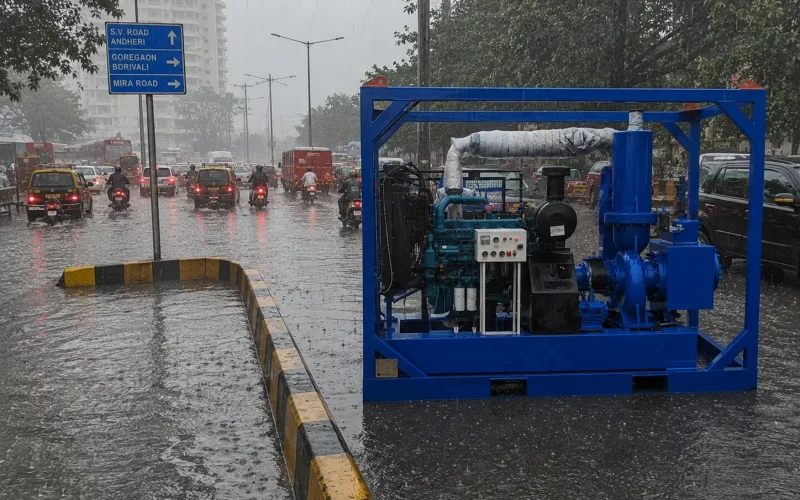
The arrival of the Southwest Monsoon has resulted in continuous rainfall across many parts of North and Western India. Cities including Delhi NCR, Faridabad, Gurugram, Noida, Ghaziabad, Lucknow, Kanpur, Mumbai, Pune, Navi Mumbai, and Thane have experienced varying degrees of heavy rain, leading to waterlogged roads, slower traffic, localized flooding, and interruptions to daily activities.
Several airports and transport networks have also issued weather-related advisories during periods of intense rainfall, encouraging passengers to check the latest travel information before departing. These conditions highlight the need for businesses to have contingency plans and reliable water-removal equipment ready for deployment.
While seasonal rainfall replenishes reservoirs and supports agriculture, excessive rain can quickly become a serious operational issue.
Common challenges include:
- Flooded construction excavations
- Basement water accumulation
- Waterlogged industrial compounds
- Delayed infrastructure projects
- Damage to electrical systems
- Reduced worker safety
- Soil erosion around foundations
- Equipment downtime
- Increased maintenance costs
- Business interruption
Without effective drainage and dewatering, even a single day of heavy rainfall can lead to significant financial losses.
Industrial hubs across Faridabad, Gurugram, Manesar, Panipat, Sonipat, Karnal, Rohtak, Hisar, and other parts of Haryana often face heavy surface water accumulation during periods of intense rainfall.
Floodwater can affect:
- Manufacturing facilities
- Warehouses
- Factory compounds
- Logistics yards
- Metro construction projects
- Commercial developments
Using high-capacity dewatering pumps allows businesses to quickly restore operations and reduce the risk of equipment damage.
The monsoon is especially intense across Mumbai, Navi Mumbai, Thane, Pune, Nashik, Nagpur, Aurangabad, Kolhapur, and other parts of Maharashtra.
Heavy rain can lead to:
- Waterlogged roads
- Flooded parking areas
- Basement flooding
- Construction delays
- Stormwater accumulation
- Industrial drainage issues
Businesses that invest in dependable dewatering equipment are better prepared to recover quickly after heavy rainfall.
A proactive approach can significantly reduce flood-related disruptions. Consider the following checklist:
- Inspect site drainage systems.
- Clear debris from channels and culverts.
- Service pumps before peak rainfall.
- Keep backup fuel available for diesel-driven pumps.
- Train personnel on emergency pumping procedures.
- Monitor weather forecasts regularly.
- Position dewatering pumps in high-risk areas before storms arrive.
- Test emergency equipment periodically.
Proper planning combined with reliable dewatering equipment can help protect people, equipment, and project schedules throughout the monsoon season.
Not every flooding situation requires the same pump. Selecting the right model depends on several factors:
Consider:
- Volume of water to be removed
- Pumping distance
- Vertical lift (head)
- Water containing mud or solids
- Required flow rate
- Operating hours
- Fuel efficiency
- Site accessibility
- Emergency response time
For large construction and infrastructure projects, high-capacity diesel auto-priming dewatering pumps are often preferred because they can operate continuously without relying on grid power.
Every monsoon season, Delhi NCR experiences varying levels of waterlogging due to intense rainfall, blocked drainage systems, and rapid urban development. Low-lying roads, underpasses, construction sites, residential basements, and commercial complexes are particularly vulnerable.
Common monsoon challenges include:
- Flooded roads and underpasses
- Basement water accumulation
- Construction pit flooding
- Traffic congestion
- Electrical safety concerns
- Delays to infrastructure projects
For contractors and facility managers, fast water removal is critical to maintaining safe working conditions and avoiding costly project delays.
Major cities including Noida, Greater Noida, Ghaziabad, Lucknow, Kanpur, Prayagraj, Agra, Meerut, and Varanasi regularly prepare for heavy monsoon showers.
Construction companies, municipalities, and contractors rely on efficient dewatering systems for:
- Road construction
- Bridge projects
- Underground utilities
- Metro rail works
- Residential developments
- Public infrastructure
Reliable pumping solutions help keep projects on schedule even during prolonged rainfall.
Heavy rainfall can halt operations within hours if water is not removed efficiently. A high-performance dewatering pump helps:
- Remove floodwater rapidly
- Protect machinery and equipment
- Improve workplace safety
- Reduce project downtime
- Prevent structural damage
- Support continuous construction activities
- Minimize maintenance costs
Whether the site is a construction project, industrial plant, mining operation, or commercial facility, effective dewatering is an essential part of monsoon preparedness.
A dewatering pump is only as reliable as its maintenance. Before and during the monsoon season, regular inspections help ensure uninterrupted performance when heavy rainfall occurs.
Pre-Monsoon Inspection Checklist
Complete the following checks before the rainy season begins:
- Inspect the pump housing for damage or corrosion.
- Check engine oil and coolant levels (for diesel-driven pumps).
- Clean suction strainers and remove debris.
- Inspect hoses, fittings, and couplings for leaks.
- Verify fuel quality and maintain adequate fuel levels.
- Test battery condition and electrical connections.
- Run the pump under load to confirm proper operation.
- Ensure spare parts and consumables are available.
- Keep discharge hoses ready for emergency deployment.
- Train operators on startup and shutdown procedures.
Routine maintenance reduces unexpected failures and extends equipment life.
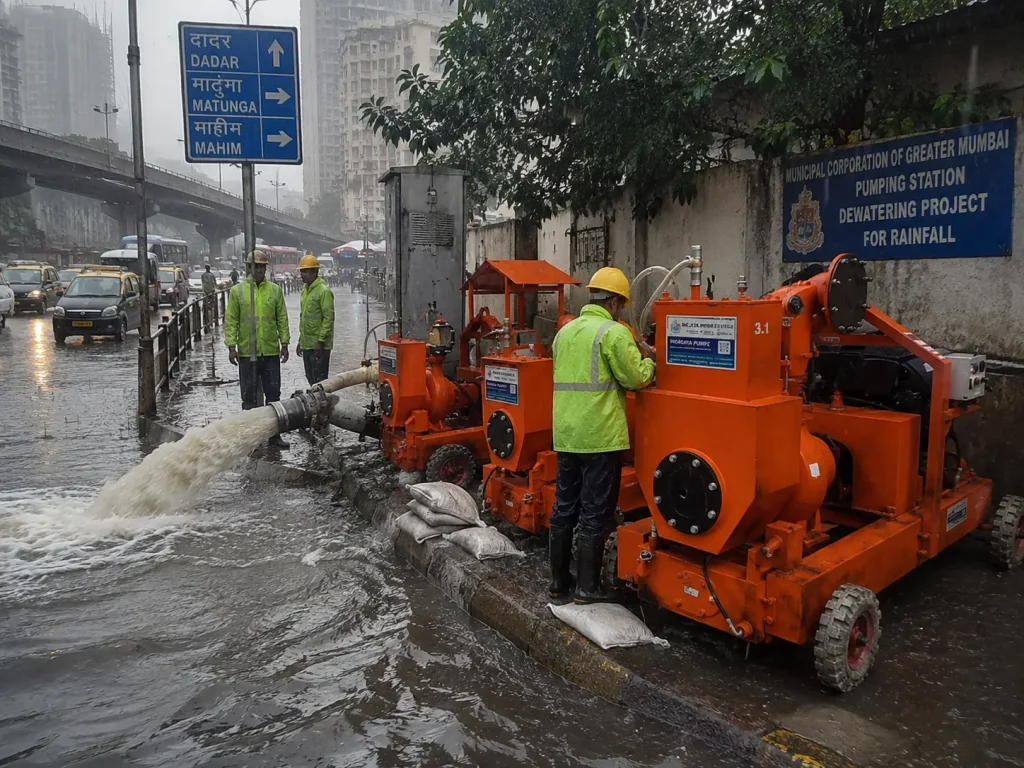
Racors Dewatering Pumps are designed for high-performance water removal in challenging environments.
Key features include:
- High pumping capacity
- Heavy-duty construction
- Reliable diesel-driven operation
- Auto-priming capability
- Easy maintenance
- Continuous-duty performance
- Suitable for clean and muddy water
- Efficient handling of stormwater and floodwater
Our pumps are engineered to perform reliably in demanding monsoon conditions where fast water removal is essential.
Ready Stock Available for Immediate Dispatch
When unexpected flooding occurs, waiting for equipment is not an option.
Racors Dewatering Pumps are readily available in stock at our warehouse, enabling fast dispatch for emergency requirements across construction sites, industrial facilities, municipal projects, infrastructure developments, and mining operations.
Having immediate access to dependable dewatering equipment helps businesses minimize delays and protect valuable assets during the monsoon season.
The North India monsoon is both an opportunity and a challenge. While seasonal rainfall supports agriculture and replenishes water resources, it can also disrupt construction projects, industrial operations, transportation, and daily life when flooding occurs.
Preparing before peak rainfall is the most effective way to reduce operational risks. Investing in dependable dewatering equipment, maintaining drainage systems, and having an emergency response plan can help organizations continue operating safely throughout the monsoon season.
Racors Dewatering Pumps are engineered to deliver reliable performance in demanding conditions. With ready stock available at our warehouse, businesses can respond quickly to flooding events and protect their people, equipment, and projects from costly delays.
Don’t let heavy rainfall stop your operations—prepare today with Racors Dewatering Pumps.
F.A.Q.
Rapid urbanization, blocked stormwater drains, low-lying roads, and prolonged rainfall can overwhelm drainage systems, leading to water accumulation and localized flooding.
Diesel-powered pumps can operate independently of the electrical grid, making them ideal during power interruptions and emergency flood situations.
Yes. Many heavy-duty dewatering pumps are designed to handle muddy water, stormwater, and water containing suspended solids, depending on the pump specifications.
Construction companies should inspect drainage systems, maintain pumps, stock emergency equipment, monitor weather forecasts, and implement a flood-response plan before peak rainfall begins.
Routine inspections should be performed before the monsoon season, with regular maintenance throughout periods of heavy use. Follow the manufacturer’s service schedule for optimal performance.
The required pump size depends on water volume, pumping distance, head, and site conditions. Large projects may require multiple pumps operating together for efficient water removal.
Common indicators include standing water, flooded excavations, basement flooding, waterlogged access roads, and reduced site safety due to excessive water accumulation.