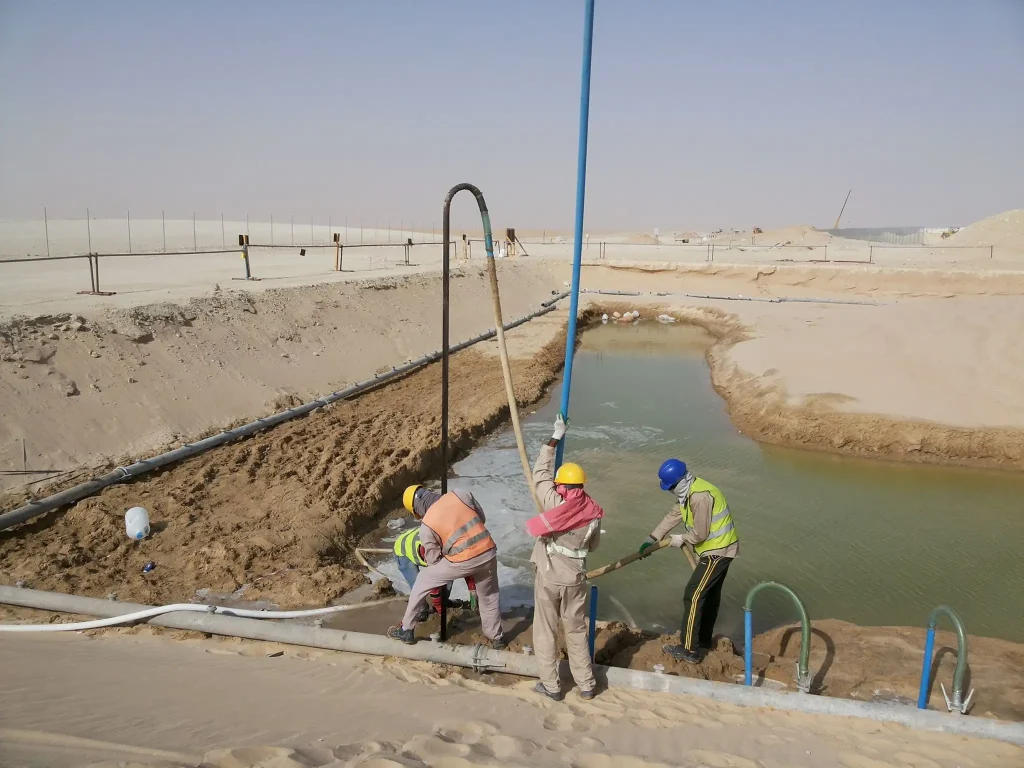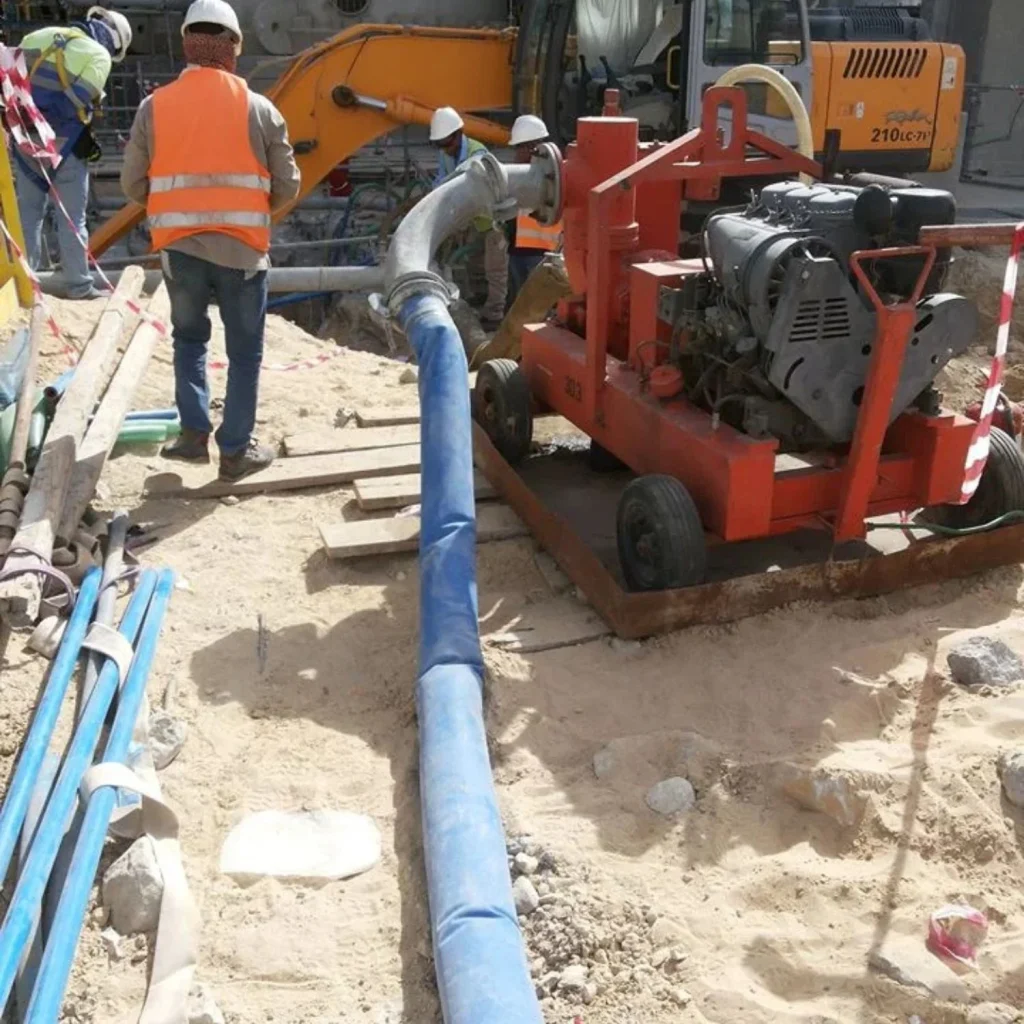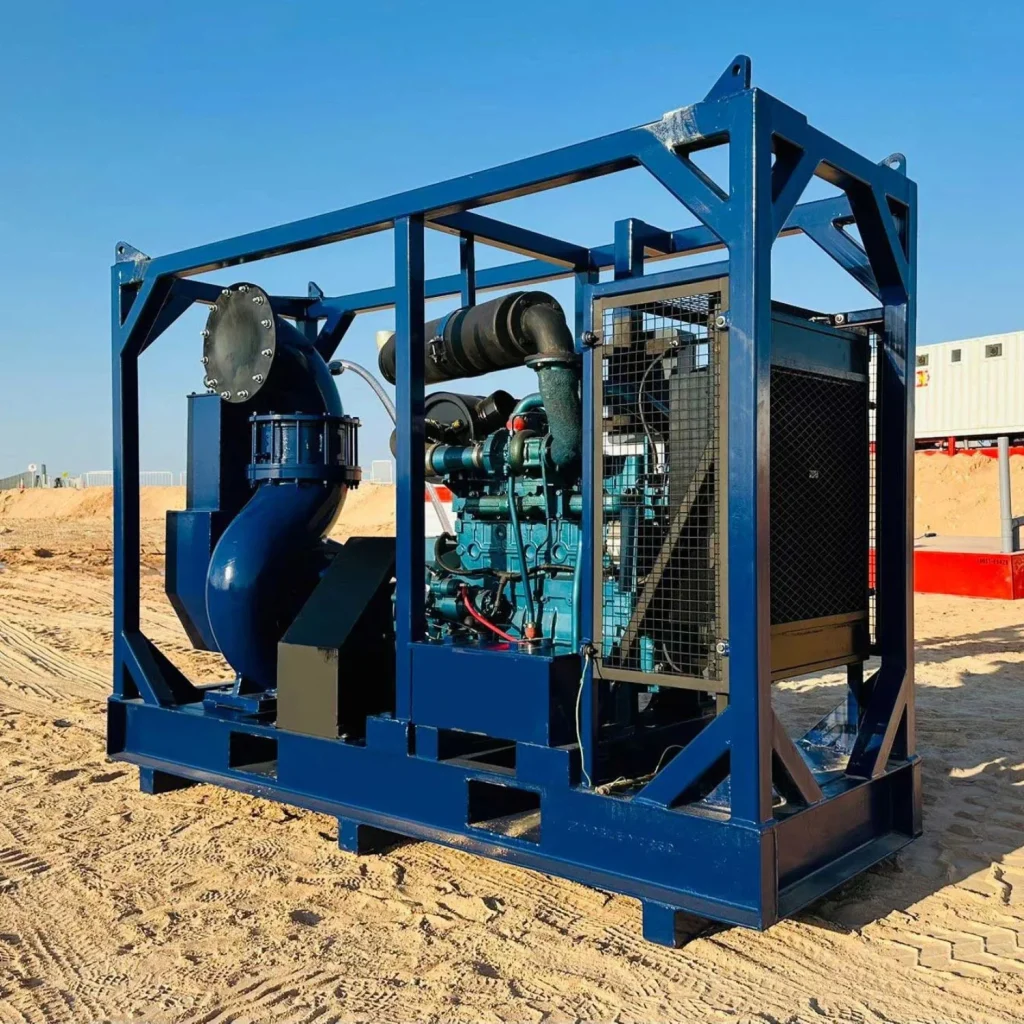

Water management remains one of the most critical challenges in modern mining, construction, infrastructure, and industrial operations. Whether it is a mining project in Africa, a large-scale construction site in the Middle East, infrastructure development in Europe, or industrial operations in Russia, effective dewatering directly impacts productivity, safety, and project success.
Among the many pumping technologies available today, piston pumps continue to be recognized as one of the most reliable and efficient solutions for demanding dewatering applications.
The growing demand for a trusted piston pumps exporter is being driven by industries seeking durable, high-performance pumping systems capable of operating in harsh environments while delivering consistent results.
This comprehensive guide explains how piston pumps work, their applications, advantages, limitations, export demand, and why they remain a preferred choice for global dewatering projects.
A piston pump is a positive displacement pump that uses the reciprocating motion of a piston inside a cylinder to transfer fluids from one location to another.
Unlike centrifugal pumps that rely on rotational energy, piston pumps move a fixed volume of liquid during each operating cycle. This unique design allows them to maintain consistent flow rates and strong suction capabilities even under challenging conditions.
Because of their dependable operation, piston pumps are widely used in:
- Dewatering projects
- Mining operations
- Construction sites
- Industrial facilities
- Infrastructure development
- Municipal water management
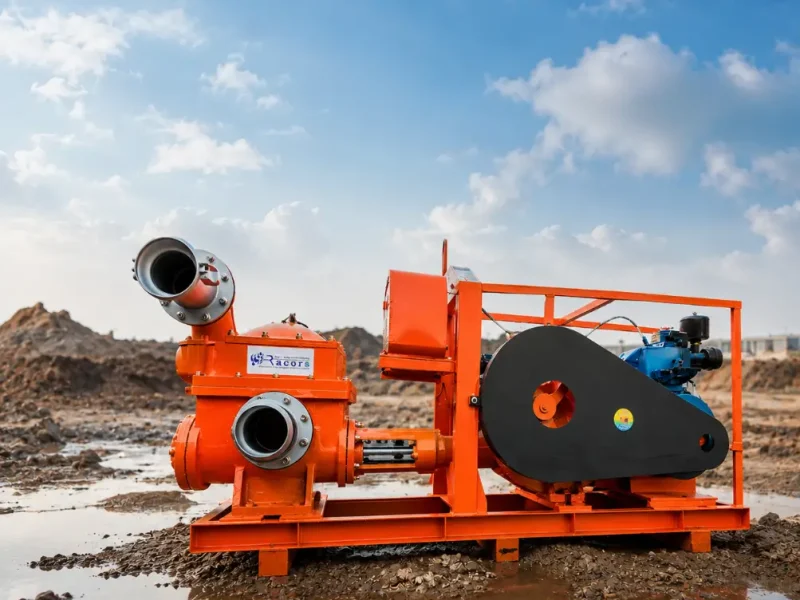
Industrial projects cannot afford costly downtime caused by inefficient water removal.
This is why piston pumps have become a trusted solution worldwide.
Superior Suction Performance
One of the most significant advantages of piston pumps is their ability to generate strong suction.
This allows operators to remove water effectively from:
- Deep excavations
- Open-pit mines
- Underground tunnels
- Quarries
- Construction foundations
The result is faster project completion and improved site productivity.
Many industrial sites contain:
- Mud
- Sand
- Slurry
- Abrasive particles
- Debris
Piston pumps are engineered to perform reliably in these demanding environments where conventional pumps may struggle.
The Middle East continues to invest heavily in infrastructure, energy, and industrial development.
Major construction projects require reliable dewatering systems to manage groundwater and maintain safe working conditions.
Industries driving demand include:
- Infrastructure development
- Construction projects
- Oil and gas facilities
- Utility installations
- Industrial zones
Countries throughout the region continue to increase investments in advanced pumping technologies.
Africa’s rapidly expanding mining sector has created substantial demand for reliable dewatering equipment.
Mining operations frequently encounter groundwater challenges that can delay production and increase operational costs.
Piston pumps are widely used in:
- Gold mining
- Copper mining
- Diamond mining
- Quarry operations
- Mineral processing plants
Their ability to perform in remote and challenging environments makes them particularly valuable throughout Africa.
European infrastructure projects require high-performance dewatering systems capable of meeting strict operational standards.
Applications include:
- Tunnel construction
- Rail infrastructure
- Environmental projects
- Industrial facilities
- Municipal water management
European buyers often prioritize efficiency, reliability, and long-term operating performance when selecting piston pumps.
Russia’s industrial and mining sectors operate in some of the world’s most demanding environments.
Piston pumps are frequently chosen because they offer:
- Reliable operation
- High suction capabilities
- Durability in harsh climates
- Long operational lifespan
These qualities make them ideal for large-scale mining and industrial projects.
High Suction Efficiency Removes groundwater quickly and effectively.
Faster Dewatering Operations Improves project productivity.
Lower Operational Downtime Reduces costly interruptions.
Excellent Energy Efficiency Supports lower operating expenses.
Consistent Water Removal Maintains stable performance.
Heavy-Duty Construction Designed for industrial environments.
Long Service Life Provides reliable operation for years.
Reduced Maintenance Costs Simplifies servicing requirements.
Suitable for Remote Locations Performs well in challenging project sites.
Enhanced Site Safety Helps prevent flooding and water accumulation.
Versatile Applications Suitable for multiple industries.
Strong Return on Investment Delivers long-term value.
Proven Global Performance Trusted across international markets.
Excellent Reliability Supports continuous operations.
Export-Grade Quality Designed for demanding global industries.
Positive Factors
- High suction capability
- Reliable operation
- Excellent durability
- Suitable for harsh environments
- Lower long-term ownership costs
- Strong global demand
- Effective dewatering performance
- Long service life
- Consistent flow rates
- Proven industrial reliability
Limitations
Negative Factors
✘ Higher initial investment compared to some alternatives
✘ Requires routine maintenance
✘ Proper pump sizing is important
✘ Installation planning may be required
Despite these considerations, piston pumps remain one of the most cost-effective solutions for demanding industrial applications.
F.A.Q.
Piston pumps are primarily used for dewatering, mining, construction, industrial fluid transfer, and wastewater management applications.
Their powerful suction capability and consistent flow rates make them highly effective in removing water from challenging environments.
Mining, construction, infrastructure development, industrial manufacturing, and municipal water management.
These regions have extensive mining, infrastructure, and industrial projects that require dependable dewatering solutions.
Yes. Their robust design allows them to perform reliably in demanding operating conditions.