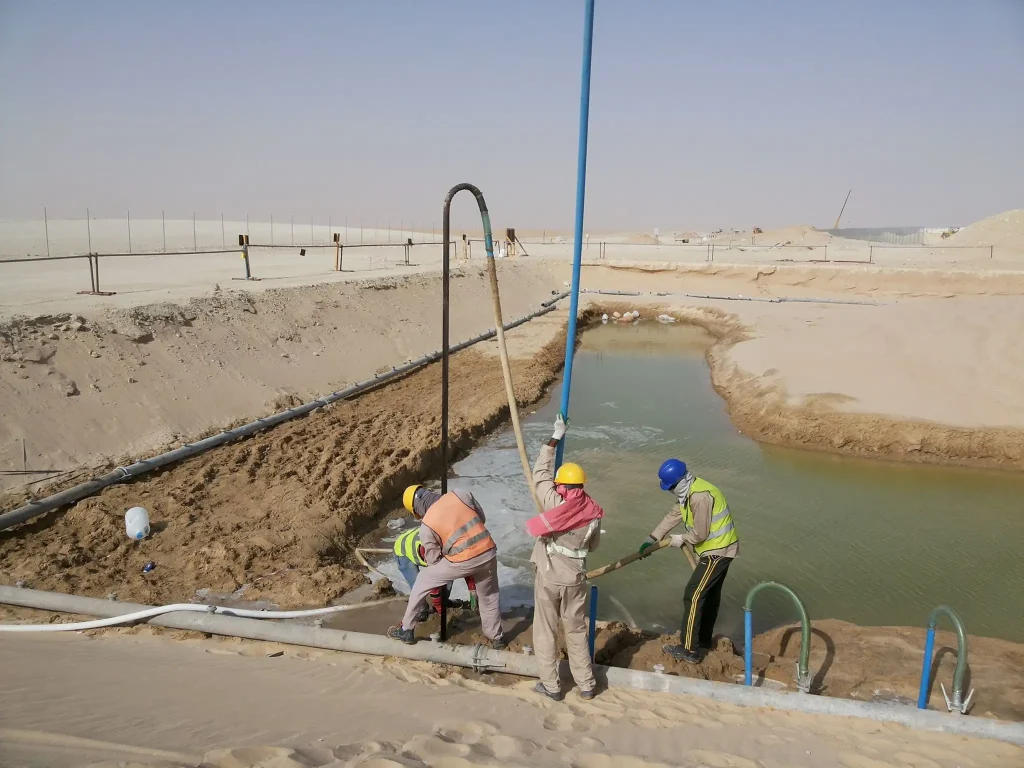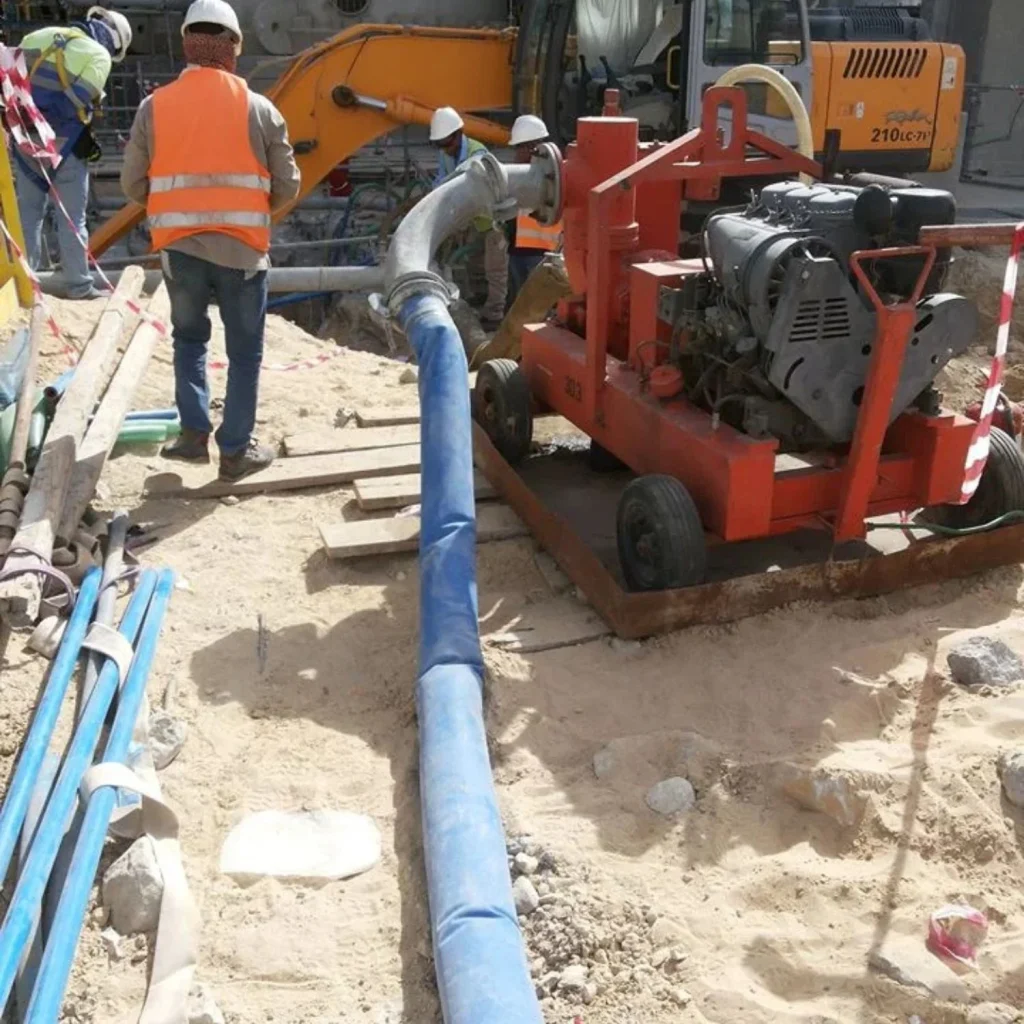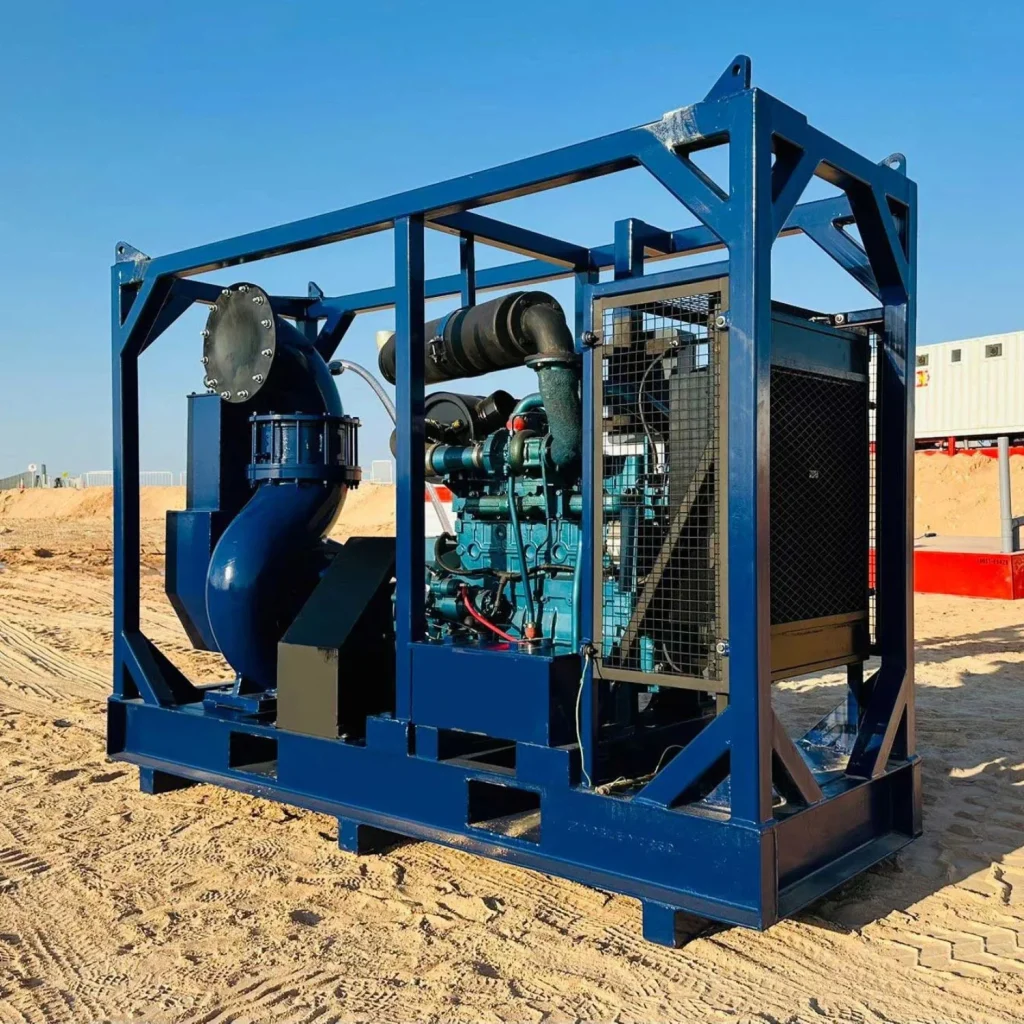

Although Qatar experiences relatively low annual rainfall, even short periods of heavy rain can create significant challenges for construction, infrastructure, utility, and development projects. Sites located in Doha, Lusail, Al Wakrah, Al Khor, Ras Laffan, Mesaieed, Dukhan, and Umm Salal often face groundwater issues that become more difficult to manage during seasonal weather changes.
For contractors and project managers, preparation is critical. One of the most effective methods for controlling groundwater before and during the rainy season is the use of Wellpoint Dewatering Systems Qatar projects rely on to maintain safe and productive working conditions.
Proper planning helps avoid costly delays, protects excavation areas, and ensures construction activities continue with minimal disruption.
A wellpoint dewatering system is a groundwater control method that uses a network of closely spaced wellpoints connected to a header pipe and vacuum-assisted pumping system.
The purpose is to lower groundwater levels around an excavation area before construction begins.
Wellpoint systems are commonly used for:
- Basement construction
- Utility trenches
- Pipeline projects
- Infrastructure works
- Road construction
- Commercial developments
Many contractors assume groundwater challenges only occur after heavy rainfall. In reality, poor preparation often causes more problems than the weather itself.
Common risks include:
- Water-filled excavations
- Soil instability
- Delayed foundation works
- Unsafe working conditions
- Reduced productivity
- Increased project costs
Proper groundwater control before the rainy season helps minimize these risks.
Groundwater conditions vary across different regions.
Doha : Urban developments frequently require deep excavations where groundwater management is essential.
Lusail : Large-scale developments often encounter varying groundwater levels near coastal areas.
Al Wakrah : Excavation activities can be affected by groundwater migration during seasonal weather changes.
Ras Laffan : Industrial developments often require continuous groundwater control.
Mesaieed : Infrastructure projects commonly involve groundwater management planning.
Understanding local site conditions is the first step toward effective dewatering.
The best time to install a Wellpoint Dewatering Systems Qatar is before excavation reaches critical depth.
Waiting until water enters the excavation often leads to:
- Construction delays
- Increased costs
- Additional labour requirements
- Equipment access limitations
Most successful projects implement groundwater control during the planning phase rather than reacting after problems occur.
Several indicators suggest a project may benefit from wellpoint dewatering.
High Groundwater Levels Groundwater encountered during preliminary investigations is a strong indicator.
Deep Excavations Projects involving deep foundations often require groundwater lowering.
Saturated Soil Conditions Excess moisture reduces soil strength and stability.
Nearby Water Sources Sites located near coastal zones or drainage channels may experience groundwater intrusion.
Seasonal Water Accumulation Areas prone to standing water after rainfall often require proactive groundwater management.
Improved Excavation Stability : Lower groundwater levels create safer excavation conditions.
Better Construction Productivity : Dry working areas allow crews to work efficiently.
Reduced Weather-Related Delays : Prepared sites are less vulnerable to unexpected rainfall.
Enhanced Site Safety : Controlling groundwater helps reduce accident risks.
Greater Project Control : Contractors maintain better schedule management.
How Wellpoint Systems Work
The process involves several steps.
Step 1: Site Investigation
Ground conditions are evaluated.
Step 2: Wellpoint Installation
Small wellpoints are installed around the excavation perimeter.
Step 3: Header Pipe Connection
Wellpoints connect to a central collection system.
Step 4: Vacuum Application
A vacuum creates groundwater drawdown.
Step 5: Groundwater Control
Water levels remain below excavation depth.
This process creates a dry and stable work environment.
Common Mistakes Contractors Make Before the Rainy Season
Waiting Too Long
Delaying groundwater management increases project risk.
Ignoring Site Investigation Results
Groundwater data should guide dewatering planning.
Underestimating Water Inflow
Unexpected inflows can overwhelm construction schedules.
Poor Monitoring
Regular groundwater monitoring improves system performance.
Reactive Planning
Successful projects focus on prevention rather than emergency response.
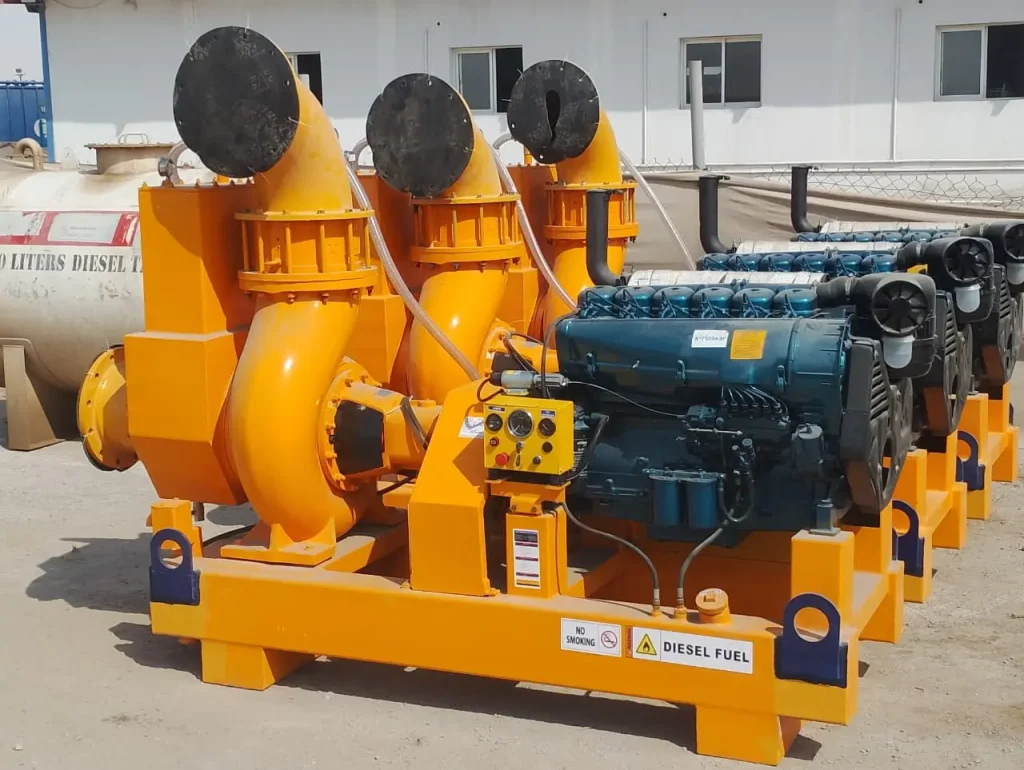
Conduct Early Groundwater Assessments
Evaluate groundwater conditions before excavation begins.
Review Historical Weather Patterns
Past rainfall data helps improve planning.
Monitor Ground Conditions
Regular inspections identify changing site conditions.
Prepare Contingency Plans
Backup strategies improve project resilience.
Schedule Dewatering Early
Early implementation reduces risk and improves productivity.
Doha : Commercial towers and infrastructure projects.
Lusail : Urban development and mixed-use projects.
Al Wakrah : Residential and utility developments.
Al Khor : Infrastructure improvements.
Ras Laffan : Industrial facilities.
Mesaieed : Energy and industrial projects.
Dukhan : Utility and infrastructure works.
Umm Salal : Residential expansion projects.
Construction schedules are directly impacted by groundwater management.
Projects with effective groundwater control typically experience:
- Fewer interruptions
- Improved excavation progress
- Better workforce efficiency
- More predictable schedules
- Lower delay-related costs
For many contractors, schedule reliability is one of the biggest advantages of wellpoint systems.
Conclusion
Preparing for the rainy season is an essential part of successful project planning in Qatar. Contractors who proactively manage groundwater conditions are better positioned to maintain productivity, improve safety, and avoid costly delays.
Implementing a Wellpoint Dewatering Systems Qatar strategy before excavation begins allows projects to remain on schedule while minimizing weather-related risks. Whether working in Doha, Lusail, Ras Laffan, Mesaieed, Al Wakrah, Al Khor, Dukhan, or Umm Salal, effective groundwater control remains one of the most important factors in construction success.
F.A.Q.
Wellpoint Dewatering Systems Qatar
A wellpoint dewatering system lowers groundwater levels around an excavation using multiple wellpoints connected to a vacuum-assisted pumping system.
Ideally before excavation reaches groundwater levels.
Yes. They are widely used on construction, infrastructure, and industrial developments.
Yes. They reduce groundwater-related disruptions and improve site stability.
The achievable drawdown depends on site conditions and system design.
Doha, Lusail, Al Wakrah, Al Khor, Ras Laffan, Mesaieed, Dukhan, and Umm Salal.